
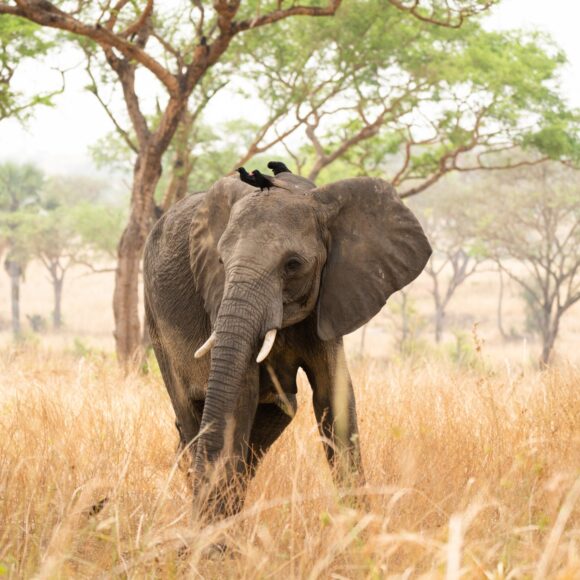
Explore Safari Destinations In Tanzania
Tanzania is one of those places that feels like it was made for adventure. Picture yourself watching thousands of wildebeest thunder across the Serengeti, spotting lions in the Ngorongoro Crater, or standing beneath giant baobab trees in Tarangire as elephants wander by. Each safari destination has its own magic—Lake Manyara is known for its flamingos and tree-climbing lions, while the southern parks like Ruaha and Nyerere offer raw, wild beauty far from the crowds. If you’re craving something truly off-the-grid, head west to Katavi or Mahale for untouched wilderness and the chance to trek with chimpanzees. A safari in Tanzania isn’t just a trip—it’s an experience that stays with you.

Serengeti National Park
The Serengeti is one of the most iconic safari destinations in the world, renowned for its endless savannahs and the annual Great Wildebeest Migration. Spanning nearly 15,000 square kilometers, the park hosts over two million wildebeest, zebras, and gazelles, creating a dramatic spectacle as they cross plains, rivers, and predator-rich territories. These sweeping landscapes are home to abundant resident wildlife including lions, leopards, cheetahs, elephants, giraffes, and spotted hyenas. Visitors can explore the central Seronera Valley, famous for big cat sightings, or follow the migration to the Grumeti River in the west and the Mara River in the north. The Serengeti offers both luxury and mobile camps, sunrise hot air balloon safaris, and unforgettable golden-hour game drives. The best time to visit varies depending on what you want to see—calving season is from December to March in the southern plains, and dramatic river crossings occur from July to August in the north.
Ngorongoro Crater
Often described as Africa’s Garden of Eden, the Ngorongoro Crater is the world’s largest intact volcanic caldera and offers one of the most concentrated wildlife experiences in Africa. Its 600-meter-deep walls enclose a lush, self-contained ecosystem supporting over 25,000 animals. Within its diverse habitats—grasslands, swamps, acacia woodlands, and soda lakes—visitors regularly spot elephants, buffaloes, hippos, flamingos, and even the endangered black rhino. Predators like lions and hyenas are abundant, and with no migration in or out, sightings are almost guaranteed. The views from the crater rim are spectacular, and many lodges are perched right on the edge, offering breathtaking sunrise and sunset vistas. The crater is also part of the Ngorongoro Conservation Area, where the semi-nomadic Maasai live alongside the wildlife. It can be visited year-round, but June to October offers the clearest skies and driest conditions.
Lake Manyara National Park
Nestled between the dramatic Rift Valley escarpment and the alkaline Lake Manyara, this small but biodiverse park offers a blend of lush forests, open plains, and aquatic environments. It is best known for its elusive tree-climbing lions and large elephant populations that wander through fig and mahogany trees. The lake itself attracts thousands of flamingos during the wet season, creating a mesmerizing pink fringe along its shores. Other animals include hippos, giraffes, buffaloes, wildebeests, and a vast array of birdlife—over 400 species have been recorded. Visitors can enjoy unique activities such as canoeing (when water levels permit), night game drives, and cultural experiences in nearby Mto wa Mbu village. Lake Manyara is an excellent introductory park, often included at the start of a northern circuit itinerary. The dry season from July to October is best for wildlife viewing, while the wet season offers more birds and greener scenery.
Tarangire National Park
Tarangire is known for its dramatic baobab-studded landscape and enormous herds of elephants, especially visible during the dry season from June to October. The park’s lifeline is the Tarangire River, which draws wildlife from the surrounding Maasai steppe when other sources dry up. Visitors can witness elephants gathering in large numbers, often up to several hundred at a time, while lions, leopards, and cheetahs lurk nearby. Tarangire is also one of the best places in Tanzania to see lesser-known species such as kudu, oryx, and gerenuk. It boasts over 500 bird species, making it a top spot for birdwatching. The park is quieter than its more famous neighbors, which adds to its charm. Walking safaris and visits to nearby Maasai communities can be arranged for a more intimate and cultural experience.
Arusha National Park
Arusha National Park is a small, scenic reserve located just outside the city of Arusha. It’s often used as a warm-up or final stop on a safari itinerary, but its diversity makes it worth more than a passing glance. The park features the forested slopes of Mount Meru, the Momella Lakes, and the Ngurdoto Crater. You’ll find giraffes, zebras, buffaloes, warthogs, bushbucks, and monkeys, including the black-and-white colobus. It’s not a Big Five destination, but it offers walking safaris, canoeing, and even the chance to climb Mount Meru. The park can be visited year-round and is perfect for those short on time or looking for a gentle start to their journey.
Ruaha National Park
Remote, rugged, and rarely crowded, Ruaha is Tanzania’s largest national park and one of its most wild and authentic safari destinations. Set in the heart of the country, it offers an untamed wilderness of rolling hills, rocky outcrops, and the Great Ruaha River, which sustains life during the dry season. The park is home to large herds of elephants and buffalo, abundant predators including lions and leopards, and endangered African wild dogs. Ruaha also supports an impressive variety of antelopes and boasts over 570 bird species. Game drives feel exclusive, and the scenery is dramatic and untouched. It is a dream for photographers and wildlife purists. Due to its remote location, Ruaha is best accessed by small aircraft. The ideal time to visit is from June to October, when water sources draw large concentrations of wildlife.
Nyerere National Park
This immense and biodiverse park, renamed to honor Tanzania’s first president, is part of the southern safari circuit and offers a completely different safari experience. Centered around the Rufiji River system, Nyerere features a combination of savannahs, woodlands, wetlands, and lakes, making it a haven for varied wildlife and bird species. What sets Nyerere apart are the range of activities on offer—classic game drives are complemented by boat safaris through hippo- and croc-filled waterways, guided walking safaris, and fishing excursions. The park is home to elephants, buffaloes, giraffes, lions, leopards, and African wild dogs, along with over 440 bird species. Its size and remoteness ensure low visitor numbers, giving you a sense of true wilderness. The dry season from June to October is best for wildlife viewing and river-based activities.
Katavi National Park
Katavi is Tanzania’s hidden gem, tucked away in the far west and ideal for experienced safari-goers seeking solitude and raw beauty. During the dry season, its floodplains transform into dramatic wildlife arenas where thousands of buffalo, elephants, and zebras crowd shrinking water sources. Hippos pack tightly into muddy pools and lions take advantage of the congregation of prey. Crocodiles retreat into caves along the riverbanks. The park’s remoteness means encounters feel personal and wild, with almost no tourist infrastructure to distract from nature. Game drives, bush walks, and camping under the stars are highlights. The best time to visit is between July and October, when the park is dry and animals are easily found.


